Slip and fall accidents occur every day in places people visit regularly, such as grocery stores, apartment complexes, parking lots, restaurants, and office buildings. While some falls result in minor injuries, others lead to broken bones, head injuries, or long-term mobility issues. When a slip and fall occurs due to unsafe property conditions, questions about responsibility often follow.
Liability in a slip and fall accident is not automatic. Property owners and occupiers are not responsible for every injury that occurs on their premises. Instead, liability depends on several factors, including the condition of the property, the actions of the injured person, and whether reasonable steps were taken to prevent harm. Understanding how liability is determined in New Mexico can help injured individuals better understand their rights and options.
This article explains who may be held liable in a slip and fall accident, how responsibility is evaluated, and what factors influence whether compensation may be available. Speak to an Albuquerque slip and fall attorney at Gauthier & Maier Law Firm, P.C., if you have questions about a claim.
Takeaways for Slip and Fall Claim Liability
- Slip and fall liability depends on the property's condition, maintenance practices, and who controlled the area where the fall occurred.
- Property owners and occupiers are not responsible for every fall, but may be liable for unaddressed hazards.
- Evidence such as photos, reports, and maintenance records plays a key role in determining responsibility.
- Reporting the fall promptly and documenting the scene can help preserve details that support a liability determination.
- Speak with a slip and fall attorney for more information about filing a claim.
Understanding Slip and Fall Accidents
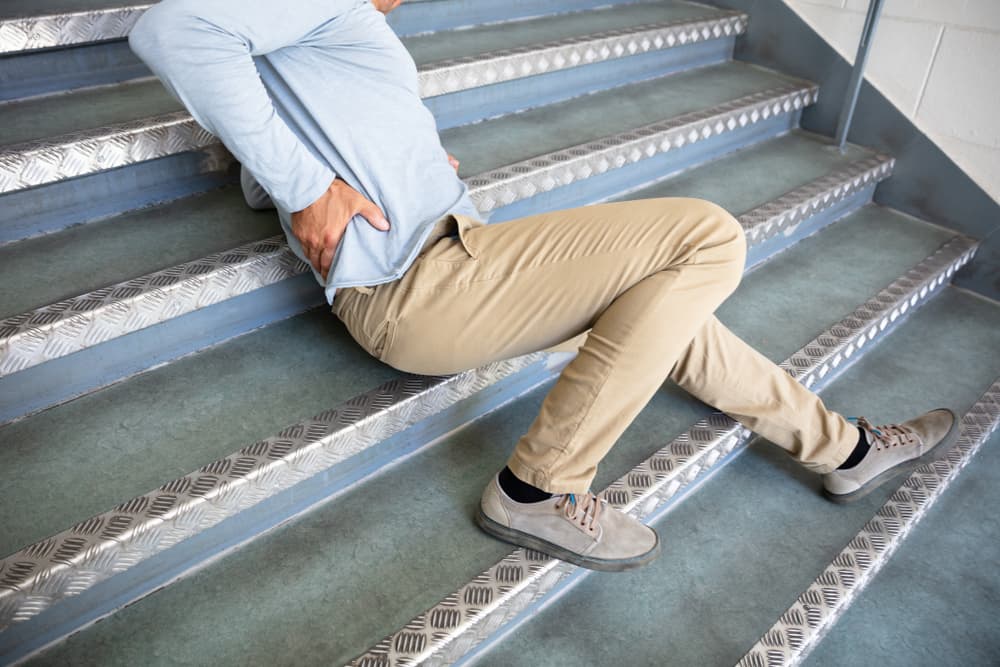
A slip and fall accident occurs when a person slips, trips, or loses balance due to a hazardous condition and falls, resulting in injury. Common hazards include wet floors, uneven walkways, loose carpeting, poor lighting, debris, or icy surfaces.
slip and fall cases fall under a broader area of law known as premises liability. Premises liability addresses the duty property owners and occupiers have to maintain reasonably safe conditions for visitors.
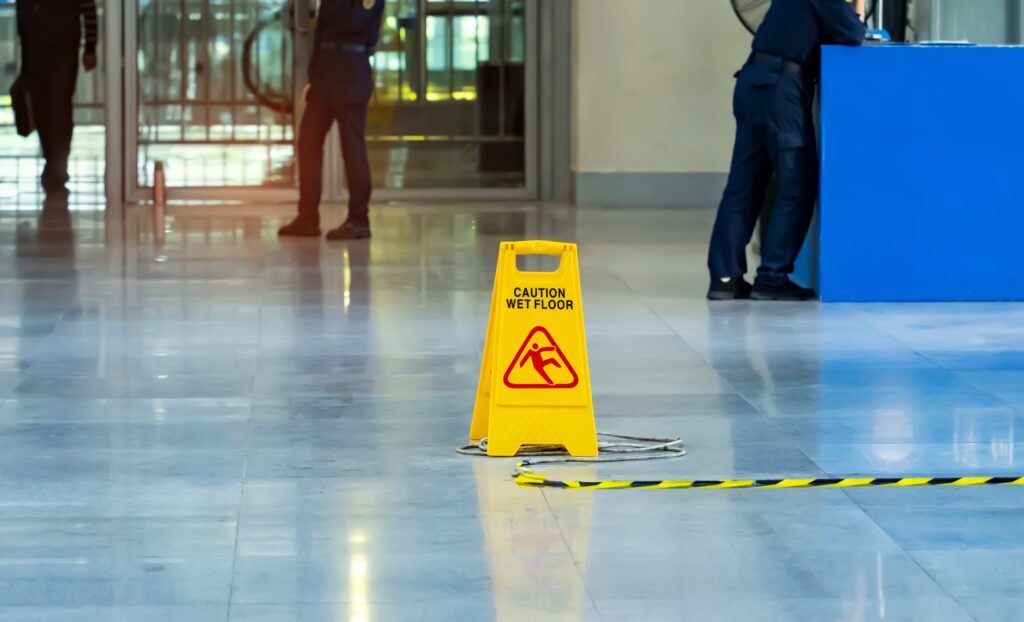
The Concept of Premises Liability
Premises liability focuses on whether the person or entity responsible for a property acted reasonably in maintaining it. In New Mexico, liability is based on whether the property owner or occupier knew or should have known about a dangerous condition and failed to address it or warn visitors. If you have questions about your situation, speaking with a premises liability lawyer can help you understand your legal options.
Not every hazard leads to liability. The key issue is whether the condition posed an unreasonable risk and whether reasonable care was taken to prevent injuries.
Who Can Be Held Liable in a Slip and Fall Accident?
Liability may fall on different parties depending on where the accident occurred and who controlled the property.
Property Owners
Property owners are often responsible for maintaining safe conditions on their premises under premises liability laws. This includes inspecting the property, repairing hazards, and providing warnings when dangerous conditions cannot be immediately fixed.
For example, a store owner may be responsible for cleaning up spills, repairing damaged flooring, or posting warning signs around wet areas.
Tenants and Business Operators
In some cases, tenants or business operators may be responsible instead of the property owner. Lease agreements often outline who is responsible for maintenance and repairs.
For instance, a retail tenant may be responsible for conditions inside the store, while the property owner may be responsible for parking lots and common areas. Determining responsibility often requires reviewing lease terms and maintenance agreements.
Property Management Companies
Third-party companies manage some properties. These companies may be responsible for inspections, maintenance, and repairs. If a management company failed to address a known hazard, it may be liable for a slip and fall accident.
Government Entities
slip and fall accidents can also occur on public property, such as sidewalks, government buildings, and public parks. In these cases, a government entity may be responsible. Claims involving public entities often follow different rules and deadlines under New Mexico law.
The Role of Visitor Status
Historically, visitor status played a role in determining liability. While New Mexico has moved toward a general duty of reasonable care, understanding visitor status can still provide context.
Invitees
Invitees are people invited onto a property for business purposes or public use, such as customers in a store. Property owners generally owe invitees a duty to inspect for hazards and address them promptly.
Licensees
Licensees are social guests or individuals allowed on the property for non-business reasons. Property owners must warn licensees of known dangers that may not be obvious.
Trespassers
Trespassers enter the property without permission. Property owners generally owe limited duties to trespassers, though there are exceptions, particularly when children are involved.
Proving Liability in a Slip and Fall Case
To establish liability, the injured person must show certain elements.
Existence of a Hazardous Condition
There must be a condition on the property that posed an unreasonable risk. Examples include spilled liquids, broken steps, or poorly maintained walkways.
Knowledge of the Hazard
The responsible party must have known or reasonably should have known about the hazard. This can be shown through evidence such as maintenance records, inspection logs, or witness statements.
Failure to Address or Warn
If the hazard was known, the responsible party must have failed to fix it or provide an adequate warning. Warning signs, cones, or temporary barriers may reduce liability if used appropriately.
Causation
The injured person must show that the hazardous condition caused the fall and resulting injuries. This often involves linking the condition directly to the accident through evidence.
Common Slip and Fall Scenarios and Liability
Grocery Stores and Retail Locations
Spills, dropped merchandise, and freshly mopped floors are common hazards in retail settings. Store operators are expected to monitor aisles and address hazards promptly.
Apartment Complexes
Landlords and property managers may be responsible for common areas such as stairwells, sidewalks, and parking lots. Poor lighting, uneven pavement, or broken handrails can lead to liability.
Restaurants and Cafes
Food and drink spills create frequent slip hazards. Restaurant operators are expected to clean up spills promptly and to warn when floors are wet.
Parking Lots and Sidewalks
Uneven pavement, potholes, and poor drainage can cause falls. Responsibility may depend on whether the area is privately owned or publicly maintained.
Workplaces
slip and fall accidents at work may involve workers' compensation claims. However, third-party liability may apply if another entity controlled the hazardous area.
Open and Obvious Hazards
Property owners may argue that a hazard was open and obvious, meaning a reasonable person would have noticed it. While this argument can affect liability, it does not automatically eliminate responsibility.
Courts may consider whether the property owner still should have anticipated that visitors could be harmed despite the visibility of the hazard.
Evidence Used to Determine Liability
Evidence is central to slip and fall claims. Common types include:
- Photographs of the hazard and the surrounding area
- Incident reports
- Surveillance footage
- Witness statements
- Maintenance and inspection records
- Medical documentation linking injuries to the fall
The timing of evidence collection often affects its strength. Conditions may change quickly after an accident.
The Importance of Property Maintenance Practices
Regular inspections and maintenance can reduce the risk of slip and fall accident due to negligence. When accidents occur, maintenance records are often reviewed to determine whether reasonable care was taken.
Lack of documentation or irregular inspection practices may support claims that hazards were ignored.
Time Limits for Slip and Fall Claims
slip and fall claims in New Mexico are subject to a three-year statute of limitations. Claims against private parties and public entities may have different timelines. Missing these deadlines can prevent recovery of compensation. Understanding applicable time limits early helps protect legal rights.
Challenges in Slip and Fall Liability Cases
Slip and fall cases often face challenges such as:
- Disputes over how long a hazard existed
- Lack of witnesses
- Missing surveillance footage
- Arguments about footwear or distractions
Careful documentation and investigation help address these challenges.
How a Slip and Fall Lawyer Can Help
Many injured individuals choose to have their case reviewed by a law firm such as Gauthier & Maier Law Firm, P.C. Reviewing the facts, evidence, and applicable laws—including how New Mexico laws address slip and fall liability can help clarify whether liability may exist and what steps to take next.
Evaluating the Facts of the Incident
Legal review begins with a close look at how the incident occurred. This includes where the accident occurred, the conditions present, and who controlled the area. Reviewing these details helps determine whether the situation meets the legal standards for liability under New Mexico law.
Reviewing Available Evidence
A legal review also involves examining available evidence such as photographs, reports, witness statements, and maintenance records. This process helps identify strengths and gaps in documentation. Understanding what evidence supports a claim can influence how it is presented and whether additional information should be gathered.
Identifying Responsible Parties
In many cases, more than one party may share responsibility. Legal review helps identify which individuals or entities may be liable based on property ownership, lease agreements, or maintenance duties. This can prevent overlooking parties who may play a role in resolving the claim.
Clarifying Next Steps
Finally, legal review helps injured individuals understand their options moving forward. This may include explaining deadlines, outlining possible claim paths, and discussing how liability issues could affect potential outcomes. Having this information early can help guide decisions and reduce uncertainty during the claims process.
How Much Can You Get for a Claim?
The amount someone may receive from a personal injury claim varies widely. There is no fixed value for a claim, as compensation depends on the specific facts of each case. Factors such as the nature of the incident, the extent of losses, and how the injury affected daily life all play a role in determining potential recovery.
One of the primary considerations is the financial impact of the injury. This may include medical expenses, lost income, and other out-of-pocket costs related to the incident. Documentation such as bills, receipts, and employment records is often used to calculate these losses.
Another factor is the severity and duration of the injury. Injuries that require ongoing care or result in long-term limitations may lead to higher compensation than injuries that resolve quickly. The effect on daily activities, work responsibilities, and overall quality of life is often considered when evaluating a claim.
Liability also influences claim value. Clear evidence showing responsibility can lead to stronger settlement positions, while the injured person’s own share of fault reduces potential recovery under New Mexico’s comparative fault rules.
Because many variables affect claim value, reviewing a case with a lawyer can help set realistic expectations. The outcomes of each unique claim depend on the specific circumstances involved.
FAQs for slip and fall Claim Liability
How does New Mexico law determine slip and fall liability?
New Mexico law focuses on whether reasonable care was used to maintain safe conditions. Courts consider property conditions, maintenance practices, and whether the hazard posed an unreasonable risk.
Does visitor status affect liability in a slip and fall case?
Visitor status may be considered, such as whether the person was a customer, guest, or trespasser. Property owners generally owe higher duties to lawful visitors than to trespassers.
How long must a hazard exist before liability applies?
Liability may apply if a hazard existed long enough to have been discovered through reasonable inspections. The length of time depends on the property's circumstances and the hazard.
What if there were no warning signs present?
The absence of warning signs may support liability if a dangerous condition existed. Warning signs are one way property owners may reduce risk when they cannot immediately repair hazards.
How does New Mexico’s pure comparative fault rule affect a slip and fall claim?
New Mexico applies a pure comparative fault rule. This means a jury or judge determines the percentage of fault for each party, including the injured person. You recover damages only for the percentage of fault the property owner bears. Even if the court finds you mostly at fault, New Mexico law allows you to recover the portion of your damages the property owner caused.
Talk to a Slip and Fall Attorney Today
Liability in a slip and fall accident depends on several factors, including property conditions, maintenance practices, and the actions of all parties involved. Property owners and occupiers are expected to take reasonable steps to prevent unsafe conditions, but responsibility is not automatic.
Understanding how liability is determined helps injured individuals make informed decisions and recognize when compensation may be available. By examining the circumstances of the fall, gathering evidence, and understanding New Mexico law, those injured in slip and fall accidents can better protect their rights and pursue fair outcomes.
Speak to a slip and fall attorney at Gauthier & Maier Law Firm, P.C., if you have questions about a potential case.