Every year, thousands of people across the United States are injured or killed in crashes involving drug-impaired driving. While alcohol-related DUIs have long dominated public awareness, drug-related impairment, whether from illegal substances, prescription medication, or over-the-counter drugs, is a growing concern on the road. According to the National Highway Traffic Safety Administration (NHTSA), 56% of drivers involved in serious or fatal crashes in one recent year tested positive for at least one impairing substance.
With more states legalizing recreational marijuana and the widespread use of powerful prescription drugs, many people don’t realize that driving under the influence of legal drugs, prescription or otherwise, is still illegal. If you or someone you care about has been injured in a crash caused by a drug-impaired driver, an experienced car accident lawyer can help you fight for accountability and fair compensation.
Fast Facts About Drugged Driving and Legal Responsibility
- The NHTSA reports that drug-impaired driving is becoming more common, particularly with marijuana and prescription medications.
- Many drivers do not realize that legal or prescribed drugs can still impair reaction time and decision-making.
- Unlike alcohol, there is no national threshold for drug intoxication, making these cases more complex.
- New Mexico law treats drugged driving similarly to alcohol DUIs and follows a pure comparative fault rule.
- A personal injury attorney can help you gather evidence, strengthen your case, and pursue compensation if drug impairment played a role in a crash.
The Rise in Drug-Impaired Driving
Drug-impaired driving is no longer a secondary concern behind alcohol. In fact, it has become a primary factor in many parts of the country.
According to the NHTSA, more than half of injured or killed drivers tested positive for one or more drugs, including marijuana, opioids, and stimulants. Among these, THC—the active ingredient in marijuana—was the most commonly detected drug. The increase in legalization and decriminalization of marijuana across many states has contributed to changing public perception, with some drivers mistakenly believing it is safe to drive after consuming cannabis.
But impaired driving isn't limited to illicit substances. Common medications such as benzodiazepines, sleep aids, and even allergy pills can reduce coordination, blur vision, and impair judgment behind the wheel. Drivers may not be aware that their medication carries warnings against operating heavy machinery. Some don’t consider how combining multiple medications or mixing them with alcohol can further increase risk.
Traffic crash data has revealed some trends about drug-impaired driving:
- 44% of drivers in fatal crashes in one recent year tested positive for cannabis, according to the NHTSA.
- Drivers who use both marijuana and alcohol are significantly more likely to be involved in a crash compared to drivers who use either alone.
- In New Mexico, drugged driving citations are on the rise, especially those involving THC and prescription opioids.
Drug impairment can be harder to detect than alcohol, but its consequences on the road are just as dangerous. With blurred boundaries between recreational use and safe driving, this issue demands closer attention.
Legal Drugs Can Still Lead to a DUI
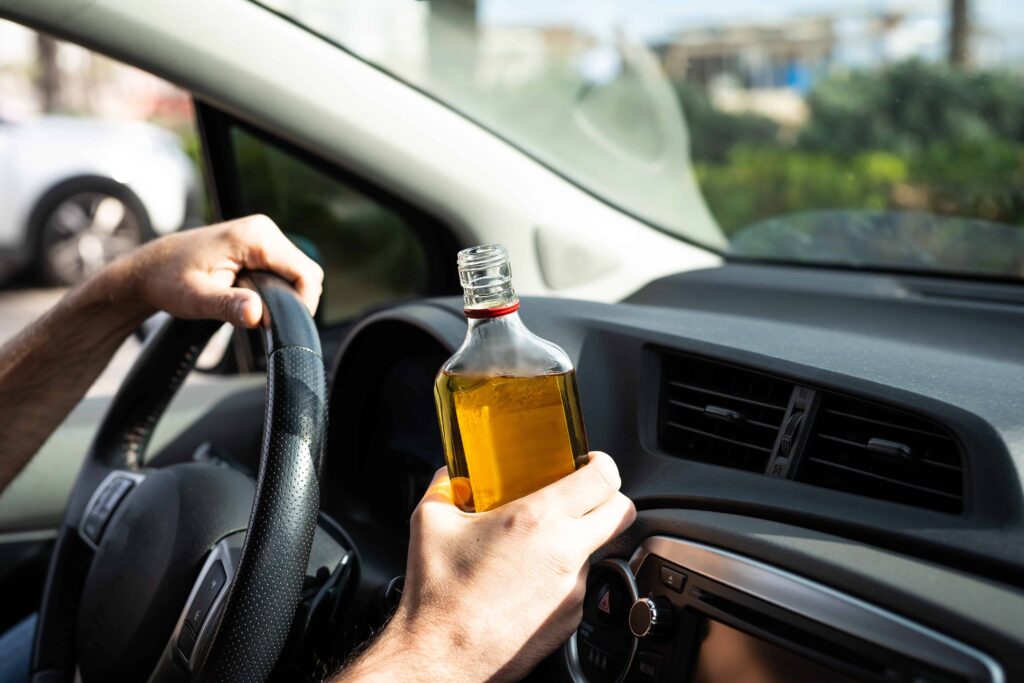
A common misunderstanding is that only illegal drugs lead to DUI charges or civil liability. But in New Mexico, as in every other state, driving while impaired by any substance is illegal, regardless of whether it’s prescribed by a doctor.
Here are some examples of legal drugs that can impair driving:
- Prescription painkillers, such as oxycodone or hydrocodone
- Anti-anxiety medications, such as Xanax or Ativan
- Muscle relaxants, especially when taken with other drugs
- Sleep medications, such as Ambien
- Medical marijuana, even when legally prescribed
These substances affect concentration, motor control, and reaction times. In civil cases, the fact that a drug was legal doesn’t eliminate liability. The key question is whether the drug impaired the driver’s ability to operate a vehicle safely.
A skilled attorney may use medical records, toxicology reports, and witness testimony to help prove that drug impairment played a role in the crash.
Why Are Drug-Impaired Car Accident Cases Harder to Prove?
Unlike alcohol-related DUI cases, which typically rely on Blood Alcohol Concentration (BAC) thresholds, drugged driving cases lack a clear national standard for impairment. This can make legal claims more complicated.
Challenges with proving drug impairment:
- No universal limit: There's no agreed-upon level of THC or other drugs that automatically constitutes impairment.
- Variable metabolism: Drugs like THC can stay in the bloodstream for days, even after the impairing effects wear off.
- Lack of field sobriety accuracy: Traditional sobriety tests are designed for alcohol, not drugs.
Because of these variables, crash victims often face an uphill battle proving that the at-fault driver was impaired by drugs at the time of the collision. A lawyer may need to work with toxicology experts or subpoena prescription records to establish causation.
This is one reason why it’s important to act quickly after a crash. Evidence can fade or become inaccessible, and insurance companies often move fast to downplay impairment. Working with a car accident lawyer who understands the complexities of drugged driving cases can make a significant difference.
How Drugged Driving Affects Civil Liability
In any injury claim, liability hinges on whether the other driver acted with reasonable care. Driving while impaired, whether by alcohol, cannabis, or prescription meds, violates that standard.
In New Mexico, personal injury claims are governed by pure comparative fault under NMSA § 41-3A-1. This means you may still recover damages even if you were partially at fault for the crash, but your compensation will be reduced by your percentage of fault.
For instance, if a drug-impaired driver ran a red light and hit you, but you were speeding, a jury might find you 20% at fault, and your total damages would be reduced by 20%.
Because every state uses a different fault model, it’s essential to know how your state treats shared responsibility. Some states bar recovery entirely if you’re even slightly at fault. New Mexico’s pure comparative model is more lenient, but it also allows insurers to argue that you share blame even when the other driver was clearly impaired.
Common Signs a Driver May Be Under the Influence of Drugs
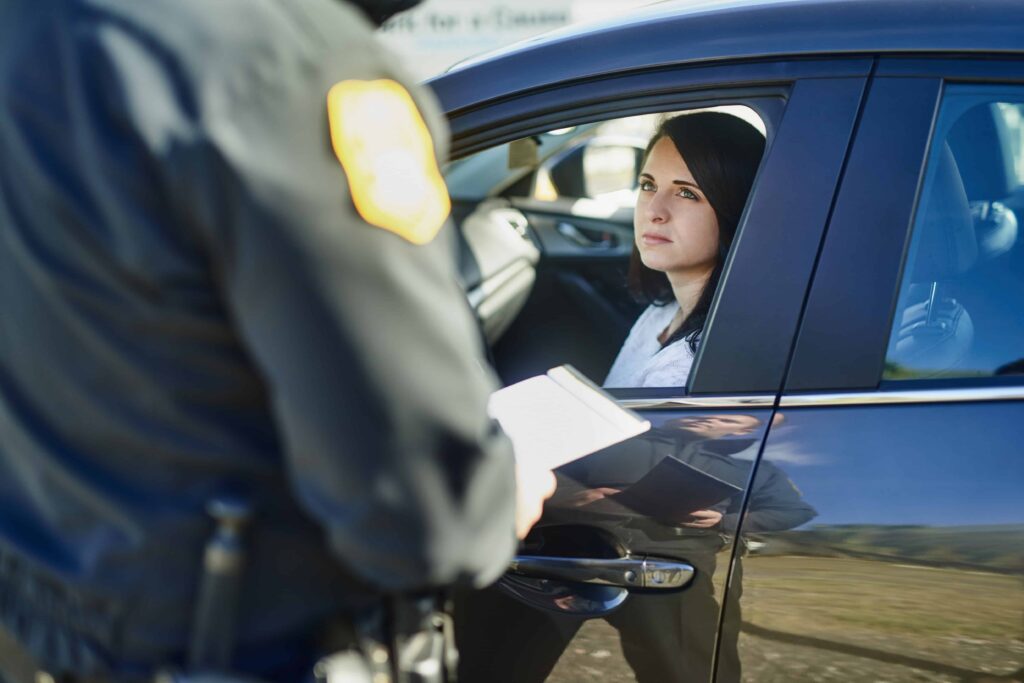
Recognizing drug impairment after a crash isn’t always straightforward. Unlike alcohol, which may produce a distinct odor or obvious slurred speech, drugs can create more subtle or delayed symptoms. However, certain behaviors can raise suspicion, especially when observed by witnesses or documented by police officers.
Here are some signs that may indicate a driver was impaired by drugs at the time of the crash:
- Erratic behavior, such as sudden aggression, confusion, or paranoia
- Unusual eye movement or dilated pupils
- Slow or delayed responses when speaking or reacting to questions
- Inconsistent or nonsensical statements about what happened
- Open pill bottles or drug paraphernalia found in the vehicle
These signs may appear in police reports or eyewitness testimony. If you notice any of these red flags, it’s important to share them with your legal team right away. Small details can help build a clearer picture of what happened and strengthen your claim for compensation.
How Attorneys Prove Drug Impairment in Civil Cases
Proving that drug use caused a crash requires more than suspicion. It takes evidence. Unlike criminal cases, where the standard is “beyond a reasonable doubt,” civil cases only require a “preponderance of the evidence.” This means showing that it’s more likely than not that drug impairment played a role.
Toxicology testing
If law enforcement suspects drug use, they may order blood or urine tests. A personal injury attorney can request access to these toxicology reports and use them to help establish liability. Even if the test shows a legal substance, the presence of that drug may still indicate impairment.
Police observations
The officer’s written report often provides critical insight. It may include observations like erratic driving, difficulty answering questions, or failure to follow instructions during a field sobriety test. These details can support a claim that the other driver was under the influence.
Witness statements
Eyewitnesses who observed the crash or the driver’s behavior just before it can help confirm signs of impairment. Their testimony becomes even more powerful when it supports the observations of law enforcement or aligns with physical evidence at the scene.
Together, these elements can build a compelling case that drug use played a role in the collision. Attorneys often work with medical professionals, toxicologists, or accident reconstruction experts to explain how drug impairment likely contributed to the crash and resulting injuries.
Time Limits for Filing a Drugged Driving Accident Claim
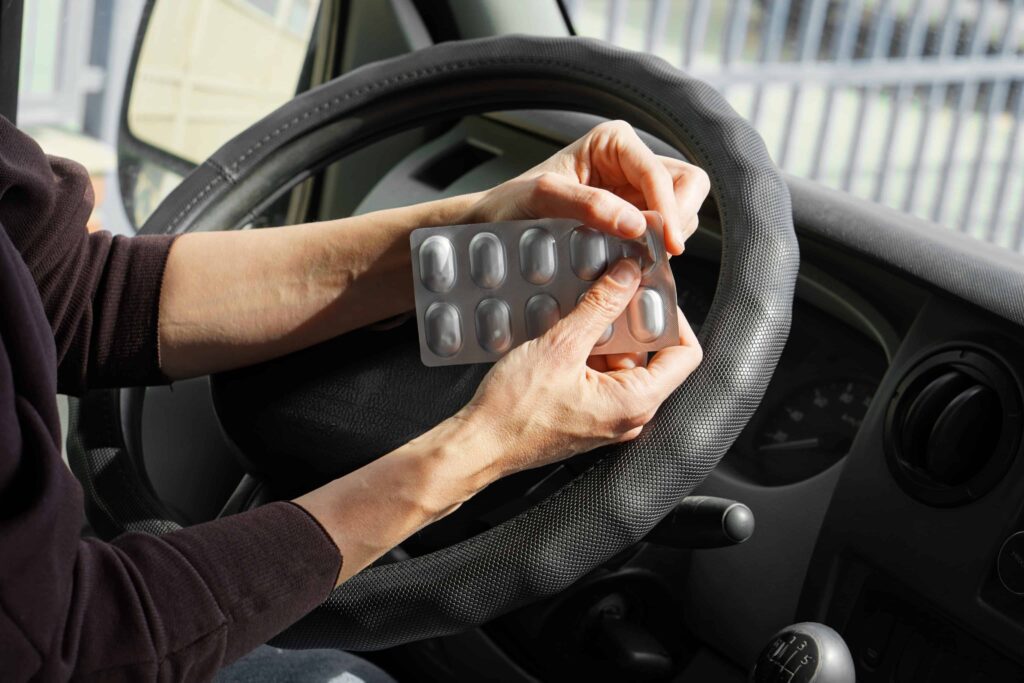
In drug-impaired driving cases, the clock starts ticking as soon as the crash happens. Each state sets its own time limit for filing a personal injury lawsuit, known as the statute of limitations.
In New Mexico, the deadline to file a claim for personal injury is three years from the date of the incident, as set by New Mexico Statutes Annotated § 37-1-8. If a claim is not filed by that deadline, the court will typically dismiss the case, regardless of how strong the evidence is.
There may be exceptions for minors or when the at-fault driver is a government employee, but these situations follow different procedural rules. An attorney can help you understand if any exceptions apply to your case.
Filing early also helps preserve evidence. Toxicology reports, surveillance footage, and witness memories fade over time. Acting quickly gives your legal team the best chance to gather all relevant materials and fight for a full and fair recovery.
Answers to Common Questions About Drug-Impaired Driving Claims
What if the at-fault driver had a prescription for the drug?
Even if a driver was using a legally prescribed medication, they can still be held responsible if the drug impaired their ability to drive safely. Legal use does not eliminate liability when impairment leads to a crash.
Can I still file a claim if I was partially at fault?
Yes. New Mexico follows a pure comparative fault system. That means you can still recover compensation even if you were partly at fault, although your recovery will be reduced in proportion to your share of responsibility.
What should I do if I suspect the other driver was impaired?
Report your observations to the police at the scene. Afterward, write down any signs you noticed, such as unusual behavior, eye movement, or smells. Share this information with your attorney. They may use it to request toxicology results or subpoena other evidence.
How is marijuana impairment proven without a clear legal limit?
THC levels vary greatly between individuals, and the law hasn’t established a definitive threshold like it has for alcohol. Attorneys often rely on a combination of toxicology results, police observations, and expert testimony to prove marijuana-related impairment in civil cases.
How much does it cost to hire a car accident lawyer?
Most personal injury attorneys, including those handling drug-impaired driving cases, work on a contingency fee basis. That means you don’t pay anything up front. The lawyer only receives a percentage of your recovery if your case succeeds.
What if no drug test was performed after the crash?
Even if police didn’t perform a drug test, that doesn’t mean you can’t pursue a claim. Other types of evidence, such as erratic driving, witness statements, or medical records, can still support a case involving suspected drug impairment. A lawyer can help identify and preserve this evidence before it disappears.
Will the other driver’s criminal charges affect my injury case?
A criminal DUI charge or conviction can help support your civil case, but your right to pursue compensation does not depend on the outcome of a criminal trial. Personal injury claims follow a different legal process with a lower burden of proof.
Getting Help After a Drug-Impaired Driving Crash
At Gauthier & Maier Law Firm, P.C., we’re committed to helping crash victims hold impaired drivers accountable. Our team has years of experience fighting for people injured in serious car accidents caused by drugged drivers. We understand the nuances of New Mexico law and how to identify signs of impairment that may not be obvious at first glance.
Our attorneys will investigate your case, examine medical records, consult with experts when necessary, and work hard to help document every loss you’ve suffered. We believe in giving clients a voice in the process, keeping you informed and supported every step of the way.
If you or a loved one has been injured in a crash caused by a drug-impaired driver, don't wait to get the help you need. Contact us today to schedule a free, no-obligation consultation. We’re here to listen and help you move forward with confidence.
Contact us online today or call (505) 226-0009 to speak directly with an attorney from our Albuquerque or Los Lunas office.